
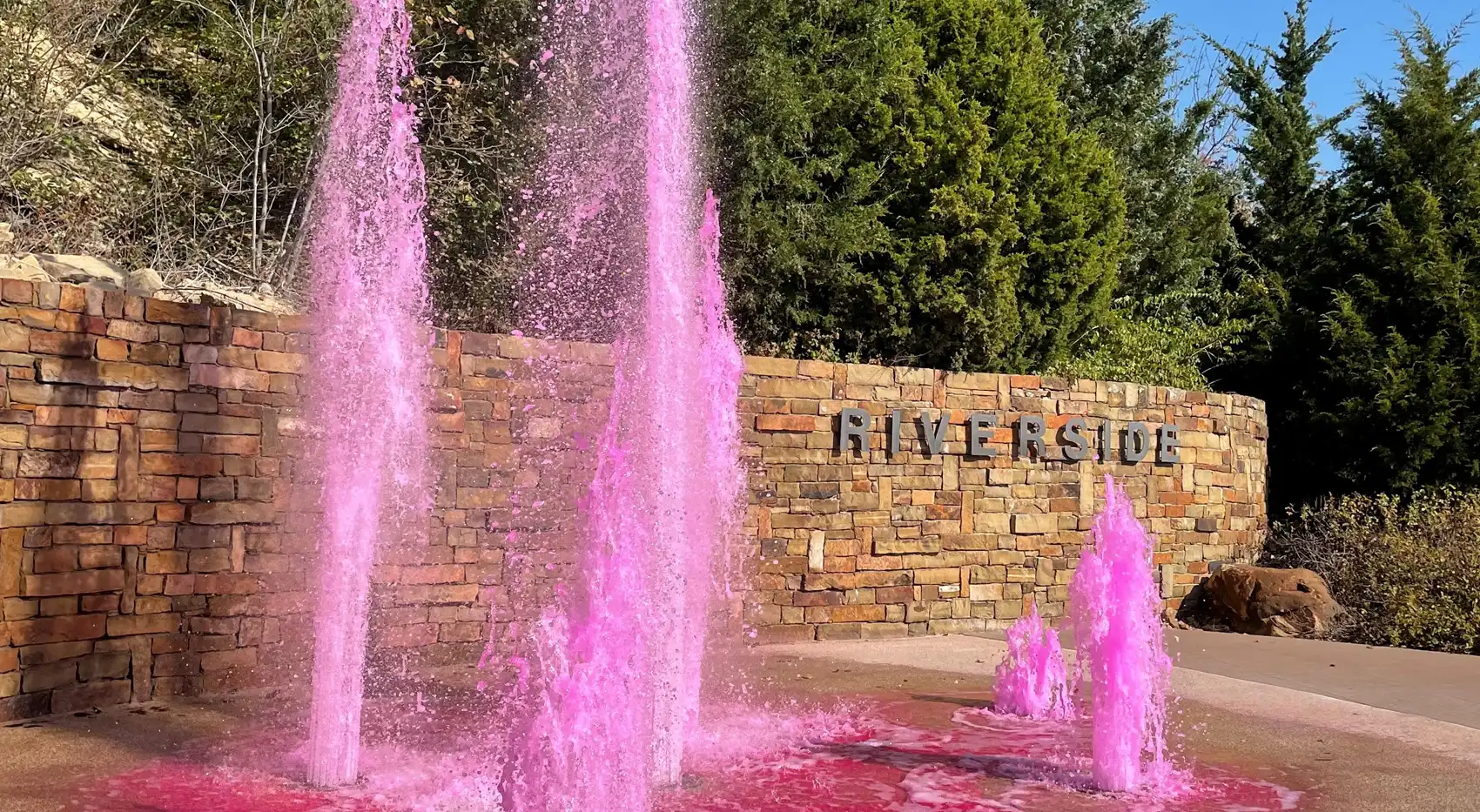
Riverside sits in the river bottoms, and moisture is behind nearly every failure we are called out for here.
Low ground, high moisture
Riverside sits in the Missouri River bottoms behind the levee, and that location shapes the work more than the housing stock does. Humidity down here is persistent, and persistent humidity is what quietly destroys garage door hardware.
The three things we find most often on a first visit: a bottom section rusting from the inside where the seal has been holding moisture against bare steel, bearings that have seized because they were never greased in a damp environment, and springs that have corroded on the outside and given out well short of their rated cycles. None of those are dramatic failures. They are slow ones, and they are all preventable with lubrication.
If your driveway pitches toward the garage, a threshold seal bonded to the concrete is one of the best small investments you can make here. It stops water at a lip instead of letting it pool against the door.
Old town and new development
The older residential streets near Line Creek are modest and long-settled — small garages, narrow openings, low headroom. Meanwhile the Riverside Horizons development on the north side has brought newer construction with standard builder packages: single-layer steel doors and basic chain drives, both of which are cheaper to upgrade during a service visit than to replace after a failure.
Detached and unheated
A lot of Riverside garages are detached, unheated and take weather from every side. Those need service more often than an attached garage does, not less. Annual lubrication out here is genuinely the difference between a spring reaching its rating and failing years early.
Getting to you
About thirty-five minutes from the shop. Riverside is part of our regular Northland run.
